Understanding Osteoporosis: Why Bone Health Matters More Than You Think
 Osteoporosis is a condition where the body loses bone faster than it can rebuild it. Over time, this causes bones to become thin, brittle, and far more vulnerable to fractures. It’s incredibly common — in fact, over 60% of Australians over 50 are estimated to have either osteoporosis or its early stage, osteopenia.
While osteoporosis often develops silently, the consequences can be serious. Understanding the risks and knowing how to protect your bone health can make a profound difference as you age.
Why Is Osteoporosis a Problem?
Weak bones significantly increase the risk of fractures, especially in the spine, wrist, and hip. Hip fractures in particular can be life‑changing — and sometimes life‑threatening.
Here are some sobering statistics:
- Up to 17,100 Australians over 45 experience their first hip fracture every year
- 26% of people who suffer a hip fracture die within one year of hospital admission
- Hip fractures involve long hospital stays, with a median length of stay of 20 days
- This places a major burden on the healthcare system, especially as our population ages
These numbers highlight why early prevention and proactive management are so important.
Risk Factors for Low Bone Mineral Density (BMD)
Several factors can increase the likelihood of developing osteoporosis or osteopenia:
- Female sex, especially during perimenopause and menopause due to declining estrogen
- Long periods of bed rest or sedentary behaviour
- Low levels of weight‑bearing physical activity
- Vitamin D deficiency
- Low BMI or reduced muscle mass
- Endocrine, metabolic, or thyroid disorders
Understanding your risk profile is the first step toward protecting your bone health.
How to Increase Bone Mineral Density
The good news: bone density can be improved. Here are the most effective, evidence‑based strategies:
1. Resistance Training
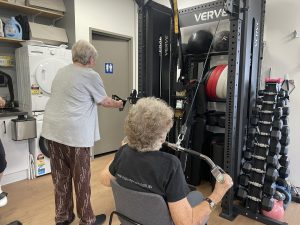
Strength training is one of the most powerful tools for increasing BMD. Lifting weights stimulates bone growth and improves muscle mass, balance, and overall function.
2. Balance and Weight‑Bearing Exercises
Activities like walking, stair climbing, dancing, and targeted balance work help maintain bone strength and reduce fall risk.
3. Nutrition
Key nutrients for bone health include:
- Calcium
- Vitamin D
- Protein
A balanced diet supports both bone formation and muscle strength.
4. Prescribed Pharmaceutical Interventions
For some individuals, medications such as HRT (Hormone Replacement Therapy) or other bone‑specific treatments may be recommended by a healthcare provider.
How We Can Help
If you’re concerned about osteoporosis, or simply want to stay strong and independent as you age, we’re here to support you.
1. Individualised Exercise Physiology Sessions
Our Exercise Physiologist can design a personalised program tailored to your needs, focusing on:
- Strength
- Balance
- Mobility
- Bone‑loading exercises
This ensures you’re training safely and effectively.
2. Mature Age Exercise Classes
Join our group classes designed specifically for older adults who want to improve strength, confidence, and overall wellbeing in a supportive environment.



