Welcome back to our Exercise Physiologist Kristy!
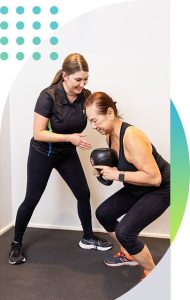 When you’re dealing with pain, injury, or a long‑term health condition, exercise can feel overwhelming — or even impossible. That’s where exercise physiologists come in. They’re university‑qualified professionals who specialise in how the body moves, adapts, and heals, especially when health challenges are involved.
Their goal isn’t just to get you exercising. It’s to help you restore function, improve quality of life, and build confidence in what your body can do.
What Exactly Does an Exercise Physiologist Do?
Exercise physiologists design exercise‑based interventions tailored to your medical history, physical abilities, and long‑term goals. These programs aren’t generic workouts — they’re structured, evidence‑based plans created to support recovery, manage symptoms, and improve overall health.
Alongside exercise programming, they may also provide:
- Education about your condition and how movement supports healing
- Guidance on physical activity that fits your lifestyle
- Support for behaviour change, helping you build sustainable habits that last
Their approach is holistic, practical, and grounded in science.
When Should You See an Exercise Physiologist?
Many people wait until they’re in significant pain or struggling with daily tasks before seeking help, but exercise physiologists can support you at many stages of your health journey.
You may benefit from seeing one if:
- You’re at risk of developing a condition or injury and want to prevent it
- You’ve been diagnosed by your GP or another allied health professional with a medical condition, disability, or injury
- You want to improve your strength, mobility, or function in a safe, supervised way
Whether you’re recovering, managing, or preventing — they’re trained to guide you.
Conditions Exercise Physiologists Commonly Treat
Exercise physiology covers a wide range of health concerns. Some of the most common include:
Musculoskeletal Conditions
- Injuries
- Osteoarthritis
- Osteoporosis
- Chronic or acute pain
- Women’s Health conditinos
Neurological & Neuromuscular Conditions
- Stroke
- Spinal cord injury
- Parkinson’s disease
- Cerebral palsy
- Multiple sclerosis
- Dementia
Cardiovascular Conditions
- High blood pressure
- High cholesterol
- Recovery after surgery or a cardiac event
These conditions often affect movement, strength, balance, and confidence — all areas where targeted exercise can make a meaningful difference.
Why It Matters
Exercise physiology isn’t about pushing harder — it’s about moving smarter. With the right guidance, exercise becomes a tool for healing, independence, and long‑term wellbeing.
Meet Kristy: Supporting Women Through Every Stage of Life
To wrap things up, it’s worth highlighting the incredible work of our exercise physiologist, Kristy, who brings a special passion for women’s health to our team. She supports women navigating challenges such as prolapse, pelvic floor concerns, and the physical changes that come with pregnancy and postpartum recovery.
Kristy’s approach is compassionate, evidence‑based, and tailored to each woman’s unique needs. Whether you’re rebuilding confidence after birth, learning how to move safely with a prolapse, or simply wanting guidance from someone who truly understands women’s bodies, she’s here to help you feel strong and supported.
Kristy is now available for online bookings, making it easier than ever to start your journey toward better movement and better health.



