Deb’s Dance Story: How a Childhood Passion Became a Dance Physio Career
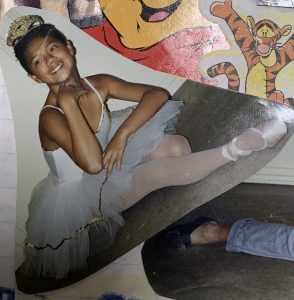 Every dance physio has a story behind why they love working with dancers—and Deb’s begins the way many great dance journeys do: with a tiny pair of ballet shoes and a whole lot of enthusiasm.
Deb started dancing at just five years old at a small studio in Castle Hill. She trained under the Australian Dance Vision syllabus, progressing all the way to Major 3 Second Year—equivalent to RAD Advanced. Ballet was her foundation, but she also loved lyrical and jazz. Tap, however, was a different adventure… let’s just say she spent more time kicking herself than the floor.
From Dancer to Teacher to… Powerlifter?
As she grew older, dance continued to be a huge part of her life. She danced in an 18+ troupe while also teaching ballet for Dance Pointe. But when university and clinical placements ramped up, the juggle became too much. She needed something that fit around her schedule, and surprisingly, powerlifting became the perfect match. It gave her structure, strength, and a new challenge—one she genuinely enjoyed.
 Returning to Dance After 10 Years Away
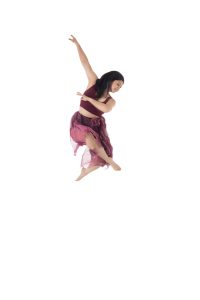
A decade later, something still felt missing. Deb couldn’t shake the feeling that dance was calling her back. But returning wasn’t easy. She worried she’d forgotten everything—her technique, her musicality, even her ability to pick up choreography. The fear was real, but the pull was stronger.
So she signed up for a class at The Collective Momentum… and never looked back.
Not only did she rediscover her love for movement, but she danced consistently—even through 33 weeks of pregnancy. That’s commitment, resilience, and pure passion.
 How This Shapes Her Work as a Dance Physio
Deb’s journey gives her a unique perspective as a Dance Physio:
- She understands the technique, discipline, and artistry dancers strive for.
- She knows what it feels like to step away—and the courage it takes to return.
- She’s lived the imbalances, the injuries, the fear of losing skills, and the joy of rebuilding them.
Her lived experience is woven into every assessment, every correction, and every rehab plan she creates. She doesn’t just treat dancers—she gets them.
Deb’s story is a reminder that dance never really leaves you. Sometimes it just waits patiently until you’re ready to come home to it again.



