Breaking Down the Aeroplane Test for Your Pre‑Pointe Assessment
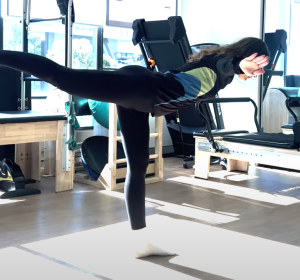 If you’re preparing for a pre‑pointe assessment, you’ve probably heard of the Aeroplane Test. It looks simple from the outside, but it reveals a lot about a dancer’s readiness for pointe work. Let’s break it down so you know exactly what we’re looking for — and how to set yourself up for success.
What the Aeroplane Test Assesses
The Aeroplane Test gives us valuable insight into three key areas:
- Single‑leg stability and coordination
- Foot, ankle, and pelvic alignment
- Overall balance and control
These are the foundations of safe pointe work. If one of these areas is lacking, pointe becomes risky — so this test helps us identify what needs strengthening before you move forward.
Tip One: Yes… It’s Done in Parallel
This always surprises dancers. Ballet is almost always turned out, so doing a test in parallel feels strange. But that’s exactly why we use it.
Parallel removes the “ballet cheat codes” and shows us your true alignment and stability. No turnout to hide behind — just raw control.
Tip Two: It’s Not About Height — It’s About Alignment
A lot of dancers try to turn this into an arabesque competition. But in the Aeroplane Test, we’re not looking for a high leg at all.
What we are looking for:
- A flat back
- The back leg in line with your torso
- Hips staying square and level
- No wobbling, twisting, or collapsing
Think of your body as one long, straight line from head to heel. Stability beats height every time.
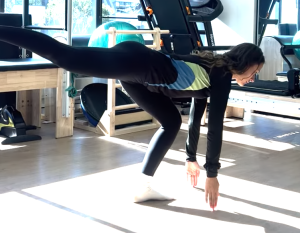 Tip Three: The Knee Bend — Where Most Dancers Lose It
Once you’re stable in the aeroplane position, you’ll bend your standing knee until your fingertips touch the floor. This is where technique really matters.
Here’s what we’re assessing:
- Knee alignment: Your knee must track over your second toe, not collapsing inward.
- Back leg control: The lifted leg must stay in line with your back, not dropping as you bend.
- Core and rib control: No flaring ribs, no arching — just clean, controlled movement.
This part of the test shows us whether you can maintain alignment under load, which is essential for pointe safety.
Why This Test Matters
The Aeroplane Test isn’t about perfection — it’s about readiness. Pointe work demands:
- Strong ankles
- Stable hips
- Controlled turnout
- Balanced alignment
- Core strength
This test helps us see whether your body is prepared for the demands of pointe, or whether you need a little more conditioning first.



